
Conversion & remediation
Two chemistries, one waste stream
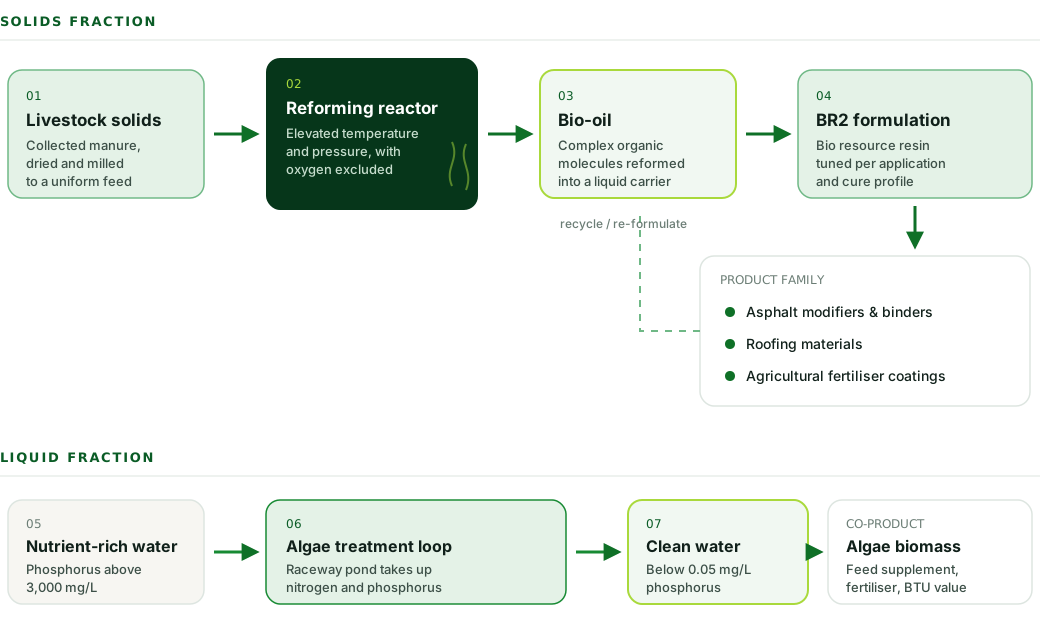
The solid fraction is reformed into bio-oil with heat and pressure. The liquid fraction is handed to algae. Neither track is an add-on to the other — they exist because manure is not one problem.
Track one
Thermochemical reforming
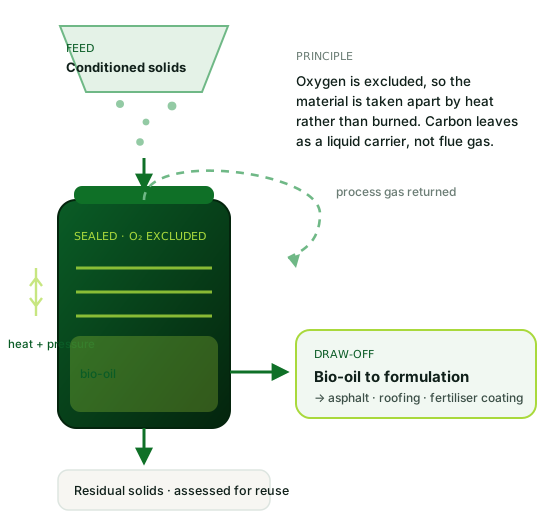
A chemical reforming process that combines elevated temperature and pressure in the absence of oxygen. Under those conditions a complex distribution of organic molecules rearranges into a liquid — bio-oil.
Excluding oxygen is the part that matters. It is what lets the material be taken apart by heat without simply burning it, so the carbon leaves as a liquid carrier rather than as flue gas.
Feed preparation
Solids are collected and conditioned so the reactor sees a consistent input rather than a variable one.
Reforming
Elevated temperature and pressure, oxygen excluded, converts the organic fraction into bio-oil.
Recovery
Bio-oil is separated from the residual solids and the gas stream returning to the process.
Formulation
The bio-oil is blended into a bio resource resin matched to the end application.
What comes out
From a waste stream to a specified input
Bio-oil is an intermediate, not a saleable product. Its value is realised when it is formulated into a resin that meets an existing industrial specification.
Track two
Algae-based nutrient removal
Treating the solids solves only part of the problem. Many of the troublesome compounds stay in the liquid fraction — and phosphorus is the hardest to place.
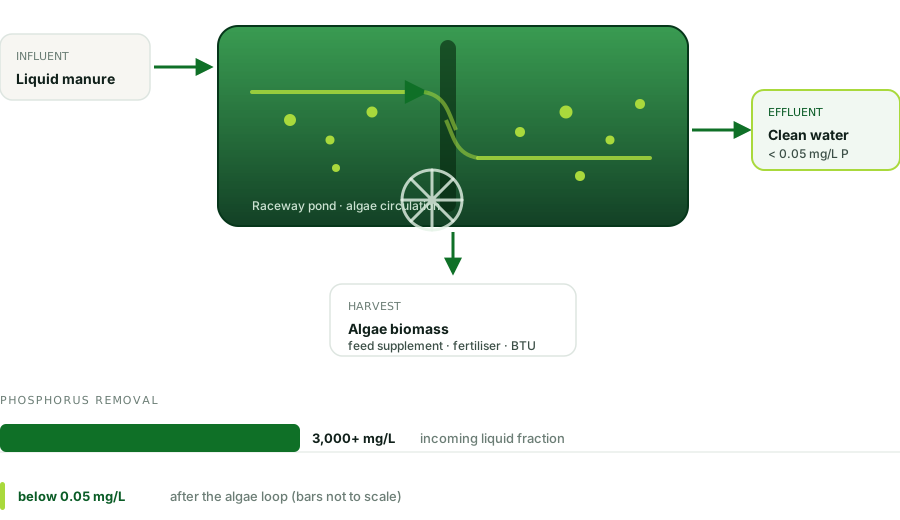
NuVention Solutions is developing an algae-based wastewater treatment step for exactly that stream. Algae take up the dissolved nutrients as they grow, and the result is measurable: phosphorus in the waste water can be reduced from over 3,000 mg/L to below 0.05 mg/L.
What the loop produces is not only cleaner water. The harvested algae is itself a product — suitable for feed supplements, fertiliser, and with usable BTU value.
- Phosphorus, inlet3,000+ mg/L
- Phosphorus, outletbelow 0.05 mg/L
- Algae biomassfeed · fertiliser · BTU
The system is aimed at giving farmers an affordable manure management option — one that lowers their carbon footprint while producing usable bio-oil and algae rather than a disposal cost.
Working together
What we can tell you, and what needs a conversation
Process and formulation detail is shared under confidentiality with qualified partners rather than published. Here is the shape of the discussion.
- Feedstock assessmentAvailable
- Process conditionsUnder NDA
- Resin formulationUnder NDA
- Sample quantitiesBy arrangement
- Specification sheetsPer application
Send us your feedstream
The fastest way to know whether this fits is to describe what you are handling today and what you would like it to become.